You have just become parents. You’re home with your new baby. Now what do you do?
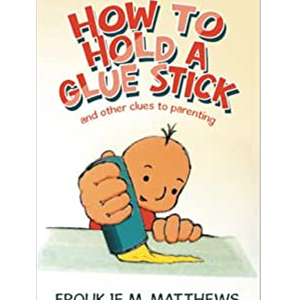
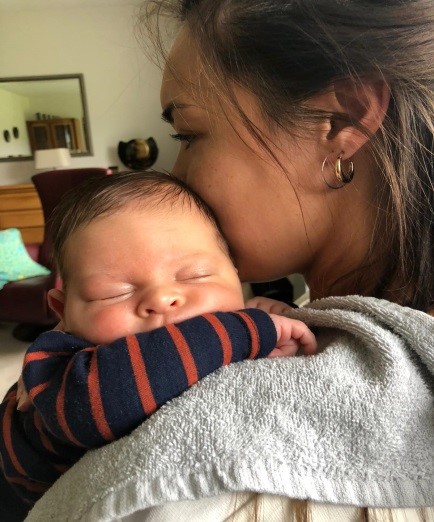
Consider your child a little being who knows nothing about you, your family, let alone your community, town, city or country. Neither of these two babies shown knows anything about anything. One is a girl, the other is a boy. They depend entirely on you for everything, from food and drink, to clothing and shelter.
Most parents fall in love with their new baby as soon as he or she is born. But this is not always the case; there are about 1 in 5 mothers and 1 in 10 fathers who are almost shell shocked by the whole experience and the overwhelming sense of responsibility. This condition is called post natal depression.
While the condition may have something to do with hormonal balance or the lack of it, from my experience it is one thing being pregnant but it is something else to have, from one day to the next, this helpless little human you are now fully responsible for, twenty four hours a day, seven days a week, no holidays, no pay. If you have been in the workforce for at least fifteen years prior, it is no mean feat to adapt and adjust your life in a 180 degrees turn.
In our kind of society women have grown up with the idea of more or less being in control of their life, that things can be managed, organised or arranged and you don’t need a partner, let alone a man about the house. When you have a new baby this all seems to fall by the wayside, which is one good reason for having a two parent family: a mother who focuses on the infant and a father who not only physically protects and supports this little unit, but also makes sure that there will be bread on the table and a roof above their heads. What about the extended family?
Again, in our kind of society grandparents may still be working or living in a retirement village having a great time and cannot necessarily be relied upon to help out. Strangers must therefore be relied upon and be paid for their services. All of the above would make any person depressed! So, what do you do? Where do you to start?

Firstly, babies are not born with a checklist in one hand and a pencil in the other to tick every box to record if you did something ‘right’ or something ‘wrong’, but they do have ‘Needs’. They need food, breast milk preferably, they need shelter, they need the warm physical comfort of the adult and they need human eyes upon them, smiling if at all possible. One way of meeting these needs is by paying attention when doing just that. Simply look after these very physical needs in full awareness while observing your baby and notice how he or she responds. Try to keep preconceived ideas at bay and listen, literally, to your own body while doing so. You will feel it in your body when you baby reacts. You will make mistakes in the interpretation, but you’ll learn from the experience as long as you keep paying attention.
The more you handle your baby, and respond with touch, the sound of your voice and the smile in your eyes, the higher the chance you’ll get a communication going between the two of you and the more you’ll come to trust your own intuition because you will recognize ‘the feeling of what happens’. And that is just the start.